
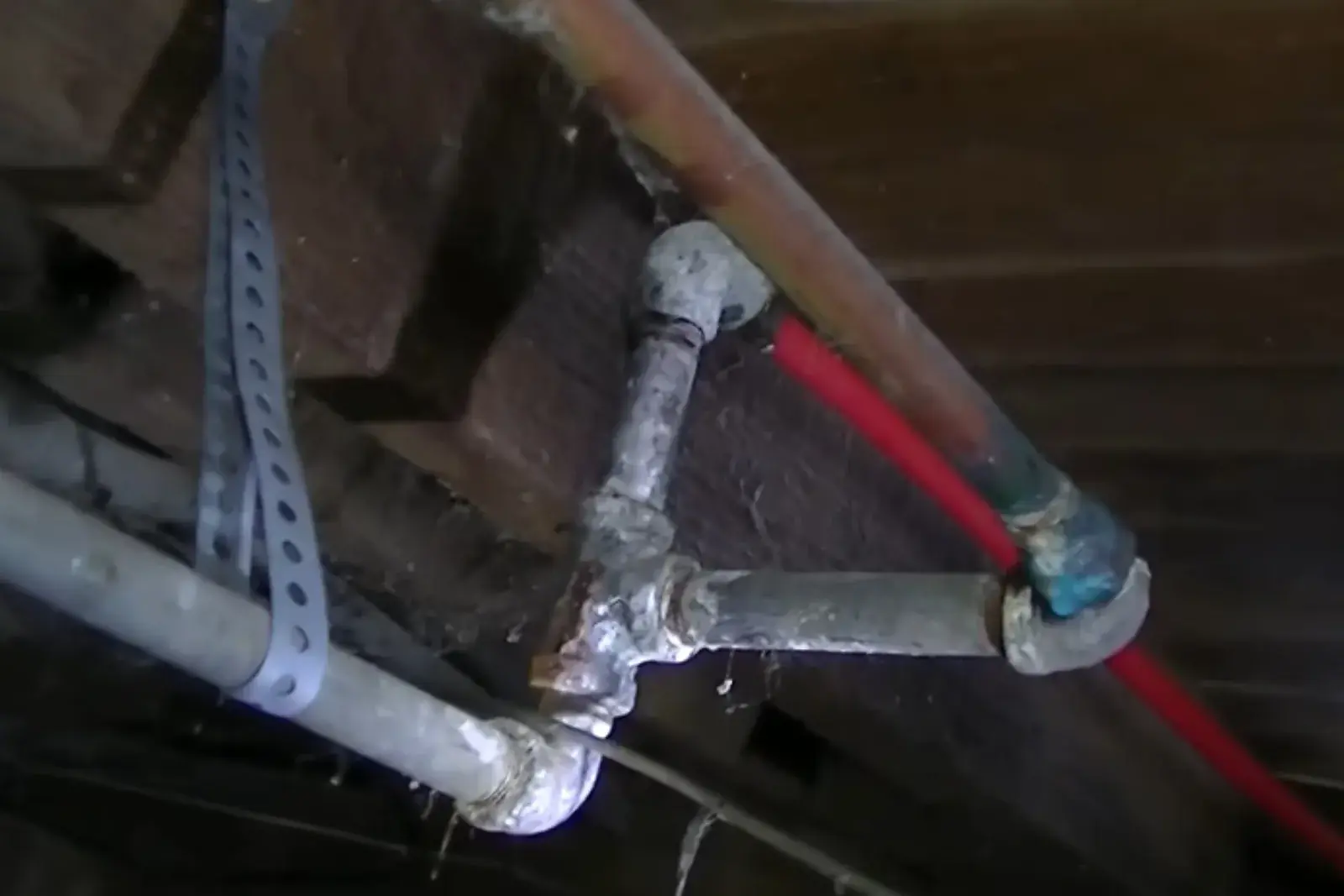
PEX is cross-linked polyethylene, a flexible plastic pipe that carries hot and cold water in many homes. Plumbers like it because it bends around corners, needs fewer fittings and goes through walls with less demolition than rigid metal pipe. Homeowners ask about it most often when they face a repipe.
This guide explains how PEX works, how it compares with copper and what to ask before choosing it. If you want an opinion on your own pipes, call (973) 488-5410 and a Montclair plumber will look.
What PEX is and how it is installed
PEX comes in coils and is cut to length on site. Connections are made with crimp rings, clamp rings or expansion fittings, and each method needs the right tool. A properly made joint is as reliable as a soldered one, and the quality of the work matters more than the pipe itself.
Many installations use a manifold, a central hub with a separate line to each fixture. A manifold means a leak on one line can be shut off without losing water to the rest of the house.
PEX compared with copper
Both materials have long records in homes. The better choice depends on the house, the budget and the owner. Neither is wrong, and we explain the trade-offs without pushing either one.
| Factor | PEX | Copper |
|---|---|---|
| Flexibility | Bends around corners, fewer fittings | Rigid, many joints |
| Installation effort | Often less demolition | More labor and heat |
| Freeze behavior | Tolerates expansion better | Can split when frozen |
| Sunlight | Degrades in UV, must be covered | No UV issue |
| Heat and fire | Not for use near flues or high heat | Handles heat |
| Preference | Many like the lower cost and speed | Many like metal and its track record |
Where PEX works best
PEX is a good fit when a house needs new supply lines and the walls are hard to open. It works in basements, crawlspaces and inside walls, and it is a common choice for adding a bathroom or replacing old galvanized pipe. It is not suited to outdoor runs exposed to sun or to places near flues, chimneys and heat sources.
If your house still has galvanized supply pipe, see our repiping page. Galvanized pipe corrodes from the inside and loses pressure long before it leaks.
Questions to ask your plumber
- Which PEX type and fitting method do you use?
- Will you use a manifold or run branch lines?
- How will the pipe be protected from sunlight and heat?
- What permit and inspection applies to this project?
- What is the warranty on the pipe and the labor?
Rules and inspections in Montclair
New Jersey plumbing work is done by a licensed plumber, and the state plumbing code follows the National Standard Plumbing Code. Rules on materials and permits are applied locally, so confirm with the township construction office what applies to your project. A licensed plumber handles that process, which is one reason we do it for customers.
PEX types and color coding
PEX is sold in three common grades called A, B and C, which refer to how the pipe is made. Each has its own strengths, and a plumber chooses based on the job and the fitting system. Pipe also comes color coded, with red for hot lines and blue for cold, which makes it easy to follow after installation.
Color is only a label. It does not change how the pipe performs, and it should not be used to guess what is inside a wall that someone else piped.
Concerns homeowners raise
Some owners worry about taste or plastic in drinking water. PEX made for potable use is tested for that, and a flush after installation clears residue. Others ask about rodents or pests chewing the pipe. Pests can damage any material, so sealing entry points matters more than the pipe choice.
The concern we hear most is whether PEX lasts. A properly installed system, kept out of sunlight and away from heat sources, is a durable choice. Poor fittings or exposed pipe are the usual causes of failure.
Cost, speed and where PEX fits
PEX is quicker to run than rigid pipe because it bends around corners and needs fewer joints. That saves labor in a gut remodel or a repipe, and fewer joints mean fewer places to leak. Material cost is usually lower than copper as well.
It fits less well where pipe is exposed to sunlight, near a flue or where local code limits its use. Ask your plumber where each choice makes sense.
Codes and standards behind the work
PEX tubing for drinking water is made to ASTM F876 and its fittings to ASTM F1807 or F2159, and the pipe should carry NSF/ANSI 61 marking.
Safety steps when working with PEX
Following the maker instructions is the best protection for the pipe and the house.
- Shut off the water and drain the line before you cut.
- Do not connect PEX directly to a water heater outlet without the metal nipple the maker requires.
- Keep PEX away from flue pipes and recessed lights.
- Protect exposed PEX from sunlight, which weakens it.
- Use only fittings and tools made for the type of PEX in the house.
Next steps
We assess and replace supply pipe across Montclair and in Glen Ridge. The service area page lists the other towns we serve. If a pipe has already split, see burst pipe repair.
PEX questions
PEX approved for potable water is widely used in homes. Ask your plumber which product they use.
It tolerates freezing better than rigid pipe, but it can still be damaged, so protect cold areas.
Not exposed to sunlight. UV breaks it down, so it needs to be covered or buried correctly.
Rules are applied locally through the construction office. A licensed plumber confirms what applies before work starts.
Many homes take a few days, depending on size and access.